


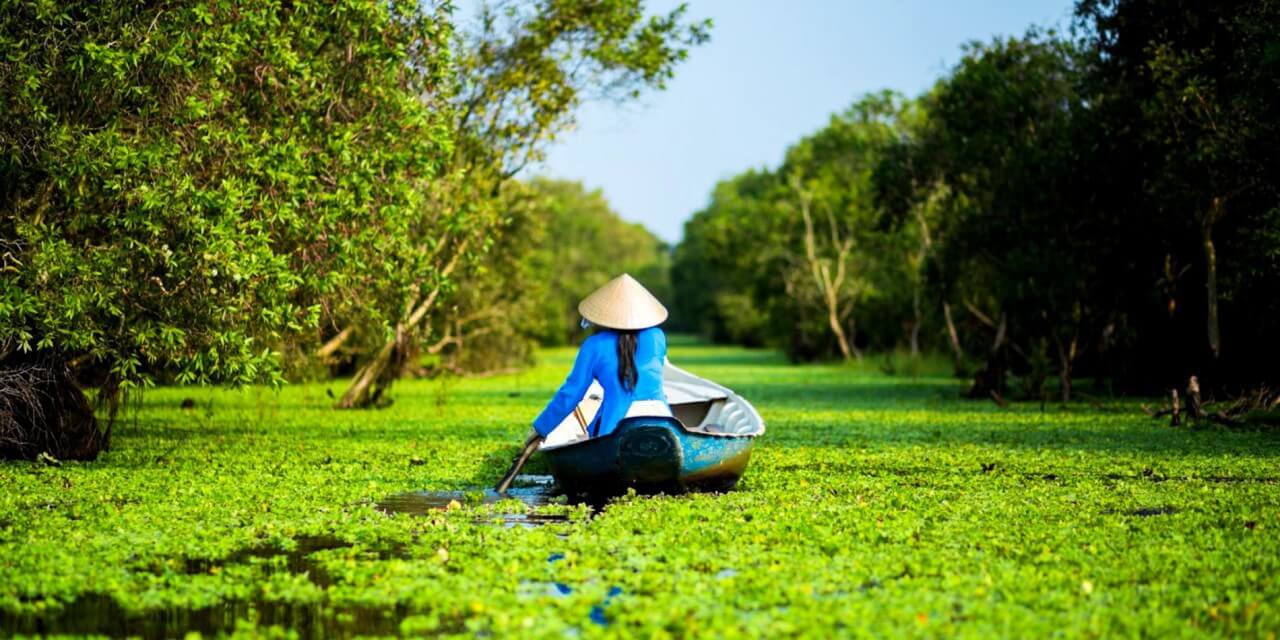
In recent years, Vietnam has emerged as a prominent destination for travelers seeking not only adventure and cultural immersion but also a commitment to sustainable and eco-friendly tourism practices. Blessed with diverse landscapes ranging from lush mountains to stunning coastlines, Vietnam offers a rich tapestry of natural wonders, cultural heritage, and culinary delights. However, with increased tourism comes the challenge of preserving the environment and local communities. This article delves into the evolution of sustainable and eco-tourism in Vietnam, its current status, challenges, and promising initiatives.
The Rise of Sustainable Tourism
Vietnam’s journey towards sustainable tourism began with a growing awareness of the environmental and social impacts of mass tourism. As travelers became more conscious of their ecological footprint and sought authentic experiences, the demand for sustainable alternatives rose. Recognizing this shift, the Vietnamese government, along with NGOs and local communities, started promoting responsible tourism practices that prioritize conservation, community involvement, and cultural preservation.
Environmental Conservation Effort
One of the primaries focuses of sustainable tourism in Vietnam is the conservation of its rich biodiversity and delicate ecosystems. With pristine forests, breathtaking mountain ranges, and diverse marine life, protecting these natural assets is paramount. National parks and protected areas, such as Ba Be National Park and Phong Nha-Ke Bang National Park, serve as havens for rare species and ecosystems. Sustainable tourism initiatives within these areas emphasize low-impact activities like hiking, bird watching, and wildlife spotting, minimizing disturbance to the environment.
Community Empowerment
Sustainable tourism in Vietnam also aims to empower local communities by involving them in tourism-related activities and ensuring equitable economic benefits. Homestays in rural villages offer travelers the opportunity to immerse themselves in local customs and traditions while directly contributing to the livelihoods of host families. Community-based tourism projects, such as those in the ethnic minority villages of Sapa and Mai Chau, provide income diversification and encourage the preservation of indigenous cultures.
Cultural Preservation
Vietnam’s rich cultural heritage, spanning centuries of history and diverse ethnicities, is a key attraction for tourists. Sustainable tourism endeavors to safeguard this heritage by promoting respectful interactions between visitors and local communities. Cultural experiences, such as traditional craft workshops, heritage tours, and culinary adventures, not only offer insight into Vietnam’s vibrant traditions but also generate income for artisans and preservation efforts.
Eco-Friendly Accommodations and Practices
In response to growing environmental concerns, many accommodations in Vietnam have adopted eco-friendly practices to minimize their ecological footprint. From eco-lodges nestled in the heart of nature to boutique hotels committed to recycling and energy conservation, travelers have a plethora of sustainable lodging options to choose from. Additionally, initiatives like plastic reduction campaigns and waste management programs help mitigate the environmental impact of tourism activities.
Challenges and Opportunities
While Vietnam has made significant strides in promoting sustainable tourism, several challenges persist. Rapid urbanization, infrastructure development, and over-tourism in popular destinations threaten natural habitats and cultural integrity. Balancing economic growth with environmental protection remains a delicate task for policymakers and stakeholders.
However, these challenges also present opportunities for innovation and collaboration. Public-private partnerships, community-led initiatives, and technological advancements offer promising solutions to mitigate negative impacts and promote sustainable practices. By harnessing the power of digital platforms, travelers can access information about responsible tourism options and make informed choices that benefit both the environment and local communities.
In conclusion the journey towards sustainable and eco-friendly tourism in Vietnam is a testament to the collective efforts of government agencies, NGOs, local communities, and travelers themselves. By embracing principles of environmental stewardship, community empowerment, and cultural preservation, Vietnam is poised to become a model for sustainable tourism in the region and beyond. As travelers increasingly prioritize experiences that align with their values, the demand for responsible tourism will continue to drive positive change, ensuring that Vietnam’s natural beauty and cultural heritage endure for generations to come.
You can visit Vietnam by opting for one of our eco-friendly tours, participate by staying in places that respect the environment, minimize your impact during your stay by traveling by train for example. Contact Viettourist and our teams will respond to your requests.


