


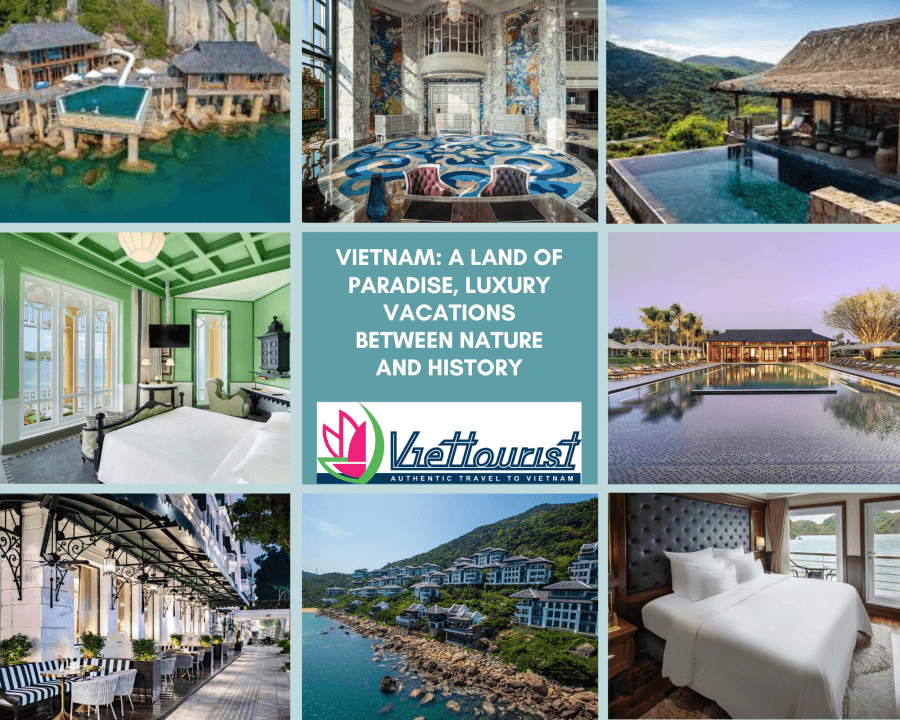
Vietnam, a mesmerizing country in Southeast Asia, is a land where nature’s splendor meets a rich tapestry of history and culture. Its landscapes, ranging from lush green rice terraces and towering mountains to pristine beaches and bustling cities, offer a paradise for travelers seeking luxury vacations. This guide will take you through Vietnam’s enchanting destinations, immersing you in a journey that combines the best of nature and history.
Hanoi: The Cultural Heartbeat of Vietnam
Begin your journey in Hanoi, the capital city, where history and modernity coexist harmoniously. Hanoi’s Old Quarter, with its narrow streets and traditional shops, offers a glimpse into the city’s rich past. Stroll around Hoan Kiem Lake, visit the iconic Ngoc Son Temple, and take in the serenity of this urban oasis.
The French Quarter, with its tree-lined boulevards and colonial architecture, contrasts sharply with the Old Quarter. Here, you can explore the Hanoi Opera House and the Presidential Palace, each a testament to the city’s colonial history. For a touch of luxury, stay at the Sofitel Legend Metropole Hanoi, an opulent hotel that has hosted numerous dignitaries and celebrities over the years.
Halong Bay: Nature’s Masterpiece
From Hanoi, a few hours’ drive will bring you to Halong Bay, a UNESCO World Heritage site renowned for its emerald waters and thousands of limestone islands and islets. Cruise through this natural wonder on a luxury junk boat, such as the Paradise Elegance or the Orchid Cruise or the Bahya cruise, and marvel at the stunning karst landscapes.
During your cruise, visit the Sung Sot (Surprise) Cave, one of the largest and most beautiful caves in Halong Bay. Kayak through hidden lagoons, swim in secluded bays, and enjoy gourmet meals on board while watching the sunset over the tranquil waters. Halong Bay offers an unparalleled experience of natural beauty and tranquility.
Sapa: The Roof of Indochina
Head northwest from Hanoi to Sapa, a mountainous town known for its dramatic scenery and vibrant hill tribes. Nestled in the Hoang Lien Son Mountains, Sapa is home to Vietnam’s highest peak, Fansipan, often referred to as the “Roof of Indochina.” Trek through terraced rice fields, visit traditional villages, and interact with the local Hmong, Dao, and Tay communities.
For a luxurious stay, check into the Topas Ecolodge, a hilltop retreat offering stunning views of the surrounding valleys and mountains. The lodge provides a perfect blend of comfort and eco-friendly practices, allowing you to immerse yourself in Sapa’s natural beauty while enjoying modern amenities.
Hue: The Imperial City
Travel south to Hue, the former imperial capital of Vietnam, located on the banks of the Perfume River. Hue is a city steeped in history, with its ancient citadel, royal tombs, and pagodas reflecting the grandeur of the Nguyen Dynasty.
Visit the Imperial City, a vast complex of palaces, temples, and courtyards enclosed within massive walls. The Forbidden Purple City, once the residence of the emperors, is a highlight of this UNESCO World Heritage site. Explore the tombs of emperors such as Tu Duc and Khai Dinh, each showcasing unique architectural styles and elaborate decorations.
Stay at the Azerai La Residence, an elegant colonial-era hotel situated on the riverbank, offering splendid views of the Perfume River and the citadel. Indulge in a traditional Vietnamese spa treatment and savor the exquisite cuisine at the hotel’s fine-dining restaurant.
Hoi An: A Timeless Charm
A short drive from Hue brings you to Hoi An, a charming ancient town known for its well-preserved architecture and vibrant lantern-lit streets. Hoi An’s Old Town, another UNESCO World Heritage site, is a delightful maze of narrow alleys, historic houses, and bustling markets.
Wander through the streets and visit iconic landmarks such as the Japanese Covered Bridge and the Assembly Hall of the Fujian Chinese Congregation. Hoi An is also famous for its tailor shops, where you can have custom-made clothing crafted to your specifications.
Stay at the Four Seasons Resort The Nam Hai, a luxurious beachfront resort located just a few kilometers from the town center. The resort’s villas offer stunning ocean views and private pools, providing a perfect retreat after a day of exploring Hoi An.
Da Nang: The Coastal Gem
Just a short drive from Hoi An lies Da Nang, a vibrant coastal city known for its sandy beaches, modern architecture, and culinary delights. Relax on the pristine shores of My Khe Beach, often listed among the world’s most beautiful beaches, or take a leisurely stroll along the Han River promenade.
For a taste of luxury, stay at the InterContinental Danang Sun Peninsula Resort, an award-winning resort nestled in the lush hills of the Son Tra Peninsula. The resort’s stunning design, world-class amenities, and breathtaking views make it a perfect destination for a luxurious getaway.
Explore the Marble Mountains, a cluster of limestone hills with caves, tunnels, and temples. Visit the Linh Ung Pagoda, home to the towering Lady Buddha statue, and enjoy panoramic views of the coastline and cityscape. Da Nang’s culinary scene is also worth exploring, with its street food stalls and upscale restaurants offering a diverse range of Vietnamese and international cuisine.
Nha Trang: The Riviera of the South China Sea
Continue your journey south to Nha Trang, a coastal city renowned for its pristine beaches, vibrant nightlife, and crystal-clear waters. Nha Trang’s beach, with its golden sands and turquoise waters, is perfect for swimming, sunbathing, and water sports.
For a luxurious stay, the Six Senses Ninh Van Bay offers secluded villas with private pools, set against a backdrop of dramatic mountains and the azure sea. Enjoy a range of activities such as snorkeling, diving, and island hopping, or simply relax and unwind at the resort’s spa, which offers holistic treatments and therapies.
Visit the Po Nagar Cham Towers, an ancient complex dating back to the 7th century, and learn about the Cham civilization that once thrived in this region. The Nha Trang Cathedral, a stunning French Gothic-style church, is another architectural gem worth exploring.
Ho Chi Minh City: The Pulsating Metropolis
Your journey culminates in Ho Chi Minh City, formerly known as Saigon, the bustling economic hub of Vietnam. This dynamic city is a blend of old and new, with its skyscrapers, bustling markets, and historic landmarks.
Explore the War Remnants Museum, which provides a poignant insight into Vietnam’s tumultuous history. Visit the Notre-Dame Cathedral Basilica of Saigon and the Saigon Central Post Office, both iconic examples of French colonial architecture. For a taste of local life, wander through the Ben Thanh Market, where you can shop for souvenirs, sample street food, and experience the vibrant atmosphere.
Stay at The Reverie Saigon, an opulent hotel located in the heart of the city, offering luxurious rooms and suites with panoramic views of the Saigon River. The hotel’s world-class dining options and spa facilities provide the perfect setting for relaxation and indulgence.
The Mekong Delta: The Rice Bowl of Vietnam
A short drive from Ho Chi Minh City will take you to the Mekong Delta, a vast network of rivers, swamps, and islands. Known as the “Rice Bowl of Vietnam,” the Mekong Delta is a fertile region that produces much of the country’s rice, fruit, and vegetables.
Take a boat tour through the delta’s intricate waterways, visit traditional floating markets such as Cai Rang and Phong Dien, and experience the unique lifestyle of the local communities. Explore the lush orchards and sample fresh tropical fruits or visit a traditional brick-making factory to learn about the region’s artisanal crafts.
For a luxurious stay, the Azerai Can Tho, situated on a private islet in the Hau River, offers elegant accommodations and stunning views of the surrounding waterways. The resort’s serene environment and exceptional service make it an ideal base for exploring the Mekong Delta.
Phu Quoc: The Island Paradise
End your journey in Phu Quoc, an island paradise located in the Gulf of Thailand. Known for its white sandy beaches, crystal-clear waters, and lush tropical landscapes, Phu Quoc is the perfect destination for relaxation and rejuvenation.
Stay at the JW Marriott Phu Quoc Emerald Bay Resort & Spa, a luxurious beachfront resort designed by renowned architect Bill Bensley. The resort’s whimsical design, luxurious amenities, and pristine private beach offer a truly unique and indulgent experience.
Explore the island’s natural beauty by visiting the Phu Quoc National Park, a UNESCO Biosphere Reserve that is home to diverse flora and fauna. Take a boat trip to the An Thoi Archipelago, a cluster of small islands with excellent snorkeling and diving spots. For a cultural experience, visit the Dinh Cau Night Market, where you can sample local seafood and shop for souvenirs.
Conclusion: Vietnam’s Allure
Vietnam’s allure lies in its diverse landscapes, rich history, and vibrant culture. From the bustling streets of Hanoi to the tranquil waters of Halong Bay, from the mountainous beauty of Sapa to the imperial grandeur of Hue, this country offers a myriad of experiences for travelers seeking luxury and adventure.
As you journey through Vietnam, you will be captivated by its natural beauty, enchanted by its historical treasures, and charmed by its warm and hospitable people. Whether you’re relaxing on a pristine beach, exploring ancient temples, or indulging in world-class cuisine, Vietnam promises a vacation that is both luxurious and unforgettable.
Plan your visit to this land of paradise and discover the luxury vacations that await between nature and history.


